
Jaime Aelavanthara is an Assistant Professor of Art at the University of Tampa department of Art + Design. Her work explores themes of the human condition and an interconnectedness with nature, often using the cyanotype printmaking process.
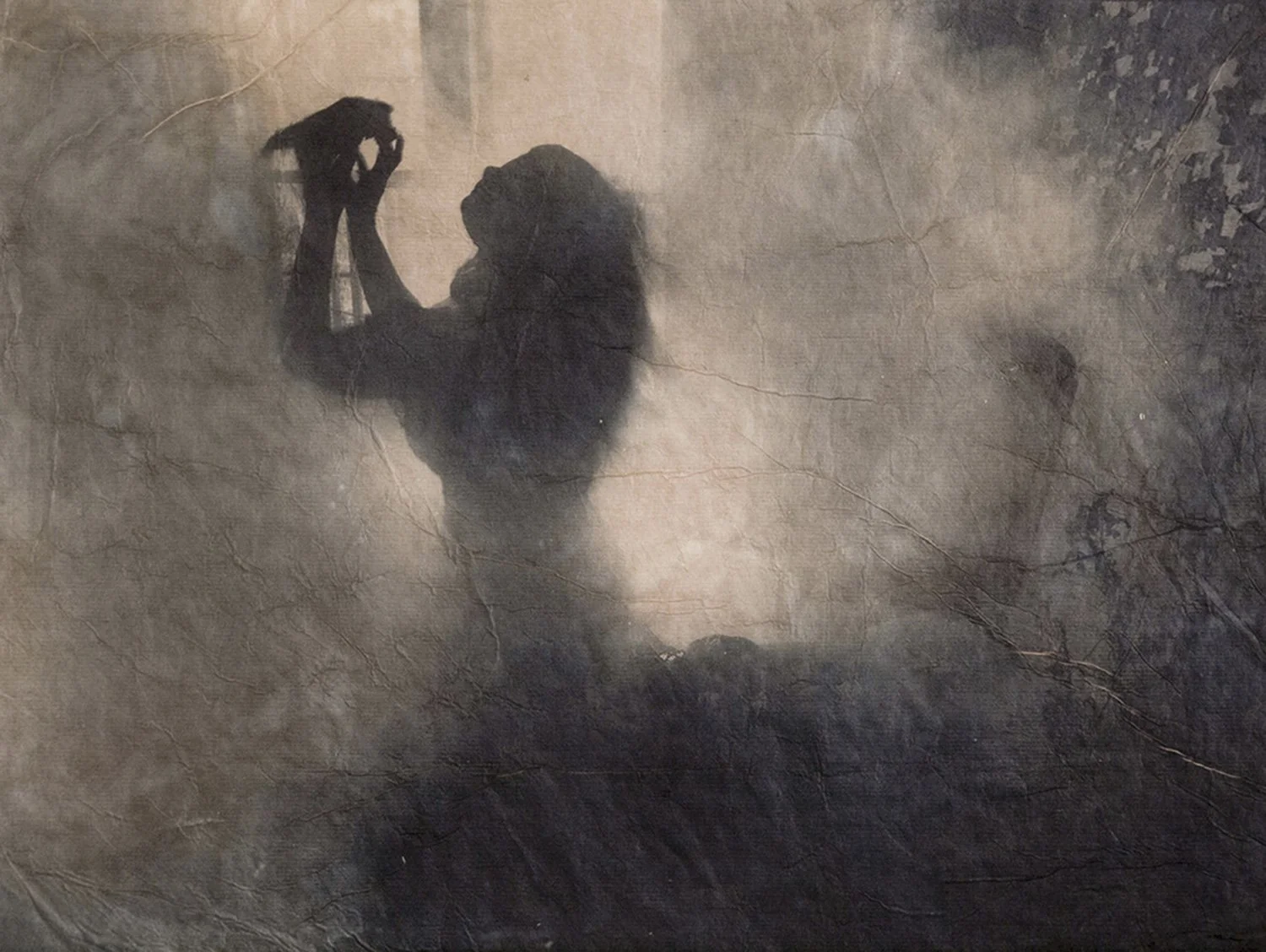

Jaime Aelavanthara is an Assistant Professor of Art at the University of Tampa department of Art + Design. Her work explores themes of the human condition and an interconnectedness with nature, often using the cyanotype printmaking process.
Using photography to better understand cultural norms, history, heritage, and collective memory, Barbar Diener’s latest research-based project, The Rocket’s Red Glare, takes us from WWII to the current space race - all while deliberating fact from fiction.
Rashod Taylor is a fine art and portrait photographer whose work addresses themes of family, culture, legacy, and the black experience.
J. Jason Lazarus is an Alaska-based photographer and educator that creates narrative-driven photographic work utilizing a wide range of alternative and historical photographic processes.
Mark Berndt is a self-taught photographer, film director, graphic/web/book designer, and master digital printmaker. His images celebrate people and the circumstances of life.
Through her projects, Jane Whitmore strives to promote human rights, and respect for cultural diversity; to evoke compassion for the human condition, and to enhance cultural pride. The Bikini Project is her latest investigation.
Leah Dyjak is an interdisciplinary, lens-based artist whose work combines performance, labor, film, and photography to explore how generations of human use affect the ecologies of place. Dyjak’s images and site-specific installations often push the edges of perception by manipulating surfaces with either the lens or in physical space.
The documentary work of Peter Merts shows California prison inmates discovering, developing, and occasionally mastering artistic expression; it celebrates the humanity of these men and women, and the authenticity of their creative pursuits.
Influenced by the production of ideology in American visual culture and a conservative familial upbringing in China, Guanyu Xu’s practice extends from examining the production of power in photography to the question of personal freedom and its relationship to political regimes.
David Ellingsen is a Canadian photographer creating images that speak to the relationship between humans and the natural world. He works predominantly in long-term, cumulative projects with a focus on climate, biodiversity, and deforestation.
With a deep interest in the technology and history of the photographic medium, Kari Wehrs’ latest project, Shot, examines gun culture through portraiture, using the 1850s technique of creating tintypes.
Christopher Colville is an artist working to push the boundaries of the photographic medium in both experimental and traditional forms, with photographs that both are and represent transformation.
Daniel Gonçalves is a portrait and long form documentary photographer whose work explores themes of identity, culture, and the intersection of masculinity & vulnerability.
Since 2012, Sarah Christianson has been documenting the legacy of oil booms and busts in her home state of North Dakota for the project When the Landscape is Quiet Again.
Walter Plotnick’s collages serve as a metaphor for anticipation, those moments when the unknown is being revealed. The implied act of opening the boxes, releases the energy of the occupants, allowing them to take flight.
Maura Sullivan’s analog black and white photographs seem to recall a lost time, a summoning from the past, a look beyond the surface, a revelation of the inner world.
Through a use of constructed and often anachronistic imagery, Edward Bateman creates allegedly historical artifacts that examine our belief in the photograph as a reliable witness.
Pushing boundaries and finding new meanings in portraiture, by capturing an energy and internal consciousness influenced by the diverse cultural heritages from across Mexico.
The process of Granville Carroll includes digital compositing/photo-manipulation to create new realities and origin stories and is influenced by Afrofuturism and spirituality.
Matthew Finley strives to connect to the viewer on an intimate and emotional level while at the same time creating artistic images that are both authentic and beautiful, often as one-of-a-kind, original pieces.


